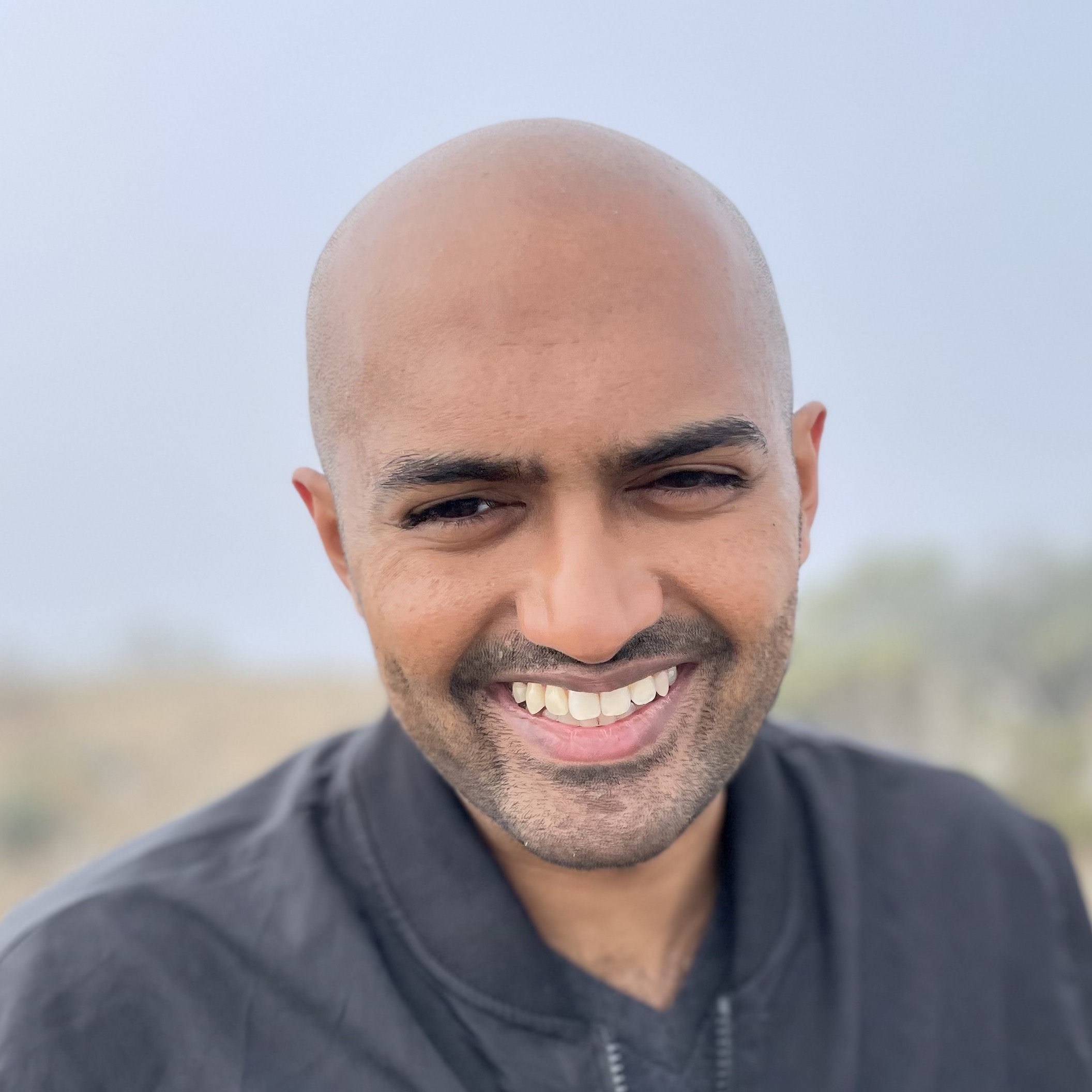
Neil is in Chicago, Illinois
| Upcoming Cities | When | For |
|---|---|---|
| San Francisco, California | May | 28 days |
| Las Vegas, Nevada | Jun | 3 days |
| Chicago, Illinois | Jun | TBD |
| See more → |
👋 Hi, I'm Neil! I'm an engineering manager at Roblox. Previously I built Hiome. The fastest way to learn about me is to view my timeline →
✍️
Words
I've written 89 articles and 16 notes. It'll take ~2.0 hours to read all 30,649 words.
| Latest Articles |
|---|
| The Quest for Interoperability |
| The Definitive Guide to Business Models |
| The New Age of Product Design |
| Authenticity at Work |
| The Paradox of European Privacy Laws |
| See 84 more → |
| Latest Note |
|---|
|
“Headphones for your eyes” is a much more interesting way to think about VR. |
| See 15 more → |
🤖 Certified artisanal hand-picked words, no AI additives!
👨💻
Code
I like to build things with these tools. See more on GitHub and Dribbble.
Commits in 1 year
684
3 per weekday
Most commits
22
on July 6
Longest streak
17 days
Dec 8 - Dec 24
Data from GitHub since April 9, 2023
🎲
Board Games
I host game nights in Chicago. These are my most recently played games.
| Game | Played |
|---|---|
/pic3490053.jpg) Brass: Birmingham
Brass: Birmingham
|
Feb 10 |
/pic5164305.jpg) Secret Hitler
x 2
Secret Hitler
x 2
|
Feb 10 |
/pic4766499.png) Love Letter
Love Letter
|
Jan 23 |
/pic7149798.jpg) 7 Wonders
x 2
7 Wonders
x 2
|
Dec 31 |
|
7 Wonders
x 2
|
Dec 30 |
| See 54 more → |
Games played
44
34% replayed
Total plays
59
3 plays/month
Data from BoardGameGeek since August 25, 2022
✈️
Travel
Designed in California. Assembled in Chicago. Shipping worldwide.
Countries visited
15
43 airports
Miles flown
207,336
20d
7h
in air
Data from Flighty since January 24, 2016
🍿
Movies & TV
Sometimes you just need to unwind. Here's what I've been watching recently.
Movies watched
49
36% of content
Episodes binged
266
from 38 shows
Hours wasted
301.1
0.7 hours/day
Data from Trakt since February 8, 2023